

By Guy Bird
Photography by Peter Guenzel
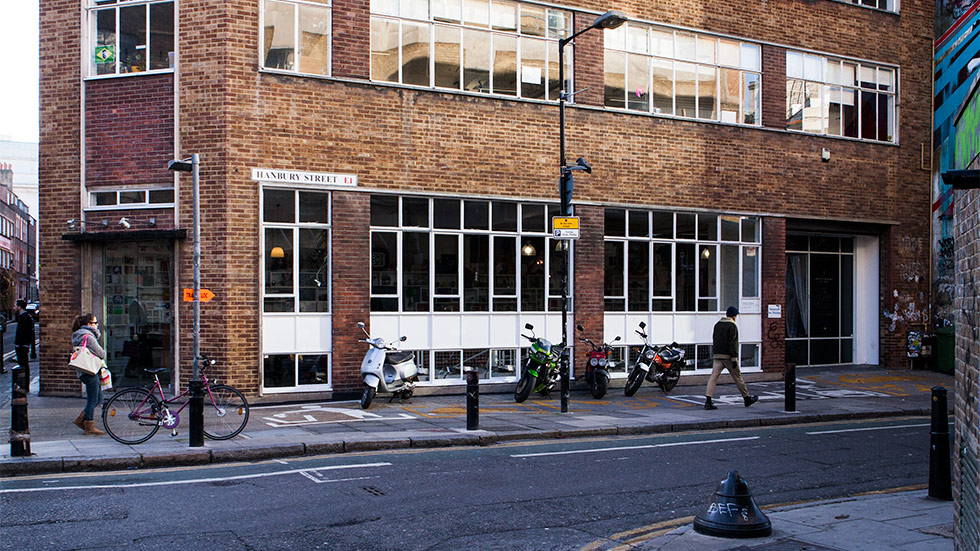
Nestled on an unassuming street corner between Brick Lane and Commercial Street in London’s East End is the office of one of the UK’s most creative advertising agencies – the brain behind a decade’s worth of outstanding campaigns for Honda.
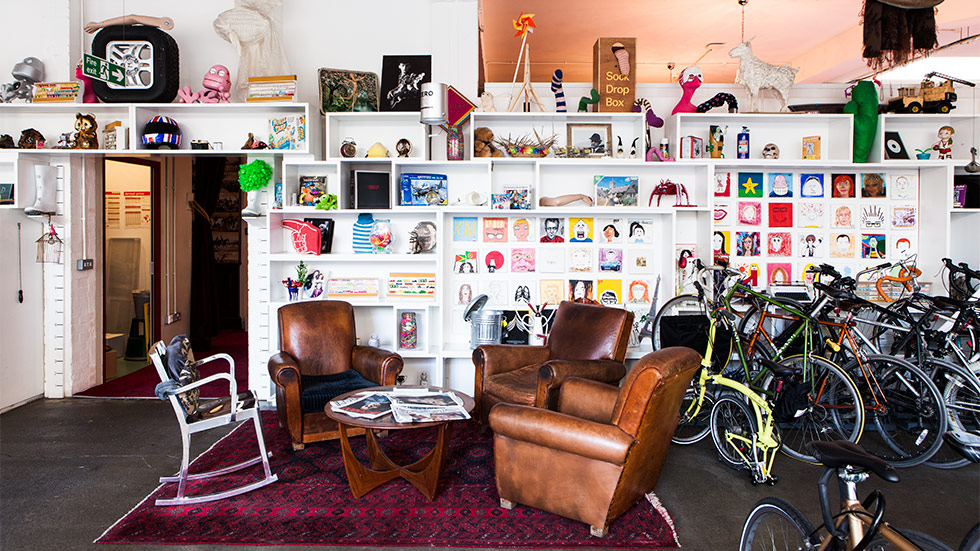
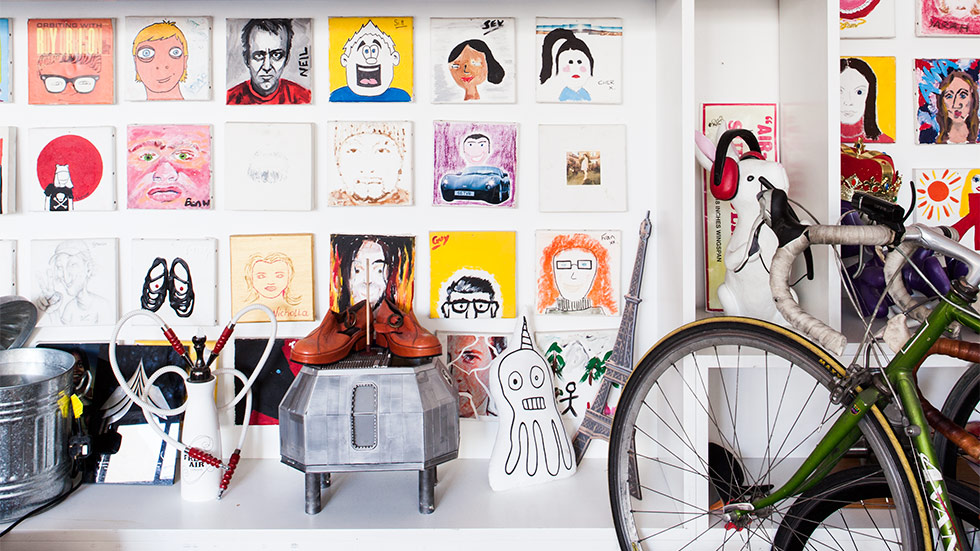
But the London outpost of global agency Wieden+Kennedy – pronounce the first part ‘Why-den’ – is far from your average advertising HQ. Forget polished floors and designer furniture: W+K’s office looks more like a slightly ramshackle curiosity shop. A suited mannequin with a kitchen blender for a head – more of which later – welcomes visitors to the reception area, and row upon row of shelving heaves with old toys, pictures and assorted knick-knacks.
Air of chaos
As joint executive creative director Tony Davidson quips: ‘We get as many people coming in knowing it’s an agency as thinking it’s a shop and wanting to buy stuff.’ But fear not: the premises are not in need of a good tidy-up. Rather, the air of minor chaos is intended to reinforce the idea that W+K is a place to think differently and encourage creativity.
Cog and Hands
The formula seems to be working, as W+K’s stunning work for Honda bears out. Remember ‘Cog’ – the ad with the autonomous car parts working together seamlessly, capped by the pay-off: ‘Isn’t it nice when things just work?’ Or the ‘Hate something, change something’ song voiced by the warm-toned and enigmatic Garrison Keillor in the ad where Honda introduced its first diesel engine?
Both made advertising magazine Campaign’s top 10 TV ads of the decade, while Honda’s overall ‘The Power of Dreams’ advertising was listed as ‘Campaign of the Decade’. Crucially, commercial success went hand-in-hand with this critical acclaim, with massive hikes in web traffic and sales after each campaign aired.
Think differently
Part of W+K’s secret is having two of the best creative directors in the advertising business: Tony Davidson and Kim Papworth. Beyond their Honda success, hits have included the brilliant Flat Eric glove puppet for Levi’s and the ‘St Wayne’ poster ad of footballer Wayne Rooney’s bare chest and face painted with the England flag for Nike. In conversation it’s clear they thrive on thinking differently – which makes them a good match for the similarly independent-minded Honda.
‘One of the best things about Honda is that it isn’t just a car brand,’ begins Papworth. ‘Having totally submerged ourselves in the Honda story, we realised its research and development department is made up of incredibly passionate people who turn their love for engineering to anything: power equipment, boats and bikes, plus Asimo the robot. So we thought, if any brand has the right to stand slightly to one side from every other brand out there, it’s Honda.’
Accordingly, W+K chose to focus on what the Honda brand was about: its great engineers and the spirit of its charismatic founder, Soichiro Honda. Papworth smiles: ‘Sensible one minute, then tearing round in some half-built racing car the next; we wanted to tell the human side of what goes into Honda’s great products.’ Beyond ‘Cog’ and ‘Grrr’, further campaigns such as ‘The Impossible Dream’ and ‘Choir’ show the success of that approach.
Walking round the W+K office you see signs of similarly positive humanity everywhere. There’s the brightly coloured ‘Welcome to optimism’ visitor name badge stickers (plus a canvas of the same in a stairwell). And what about the carefully pinned black meter wiring diverted by an unknown hand into a pleasingly swirling number 2 on a white-painted wall, to indicate what floor you’re on?
It all suggests a team in tune with itself and its clients, as W+K’s UK managing director Neil Christie concludes: ‘What we’ve learned with Honda is to try and find out the truth about the company, and tell it in a way that is distinctive and compelling enough so those people who find that sort of thing appealing will find it attractive. It’s more important to mean a lot to some people than to mean nothing much to everyone.’