by Paul Bailey
Colour has the power to excite the senses and to take us to another place. It has been used to incredible effect in advertising and shaped brands: The red and white of a certain popular fizzy drink or the golden arches that millions of children are able to spot from 100 yards. But the most iconic colour schemes are often intertwined with incredible achievements…
The heroics of your favourite motorcycle racer or a surfer skimming through a huge tube wave. As the unmistakable Urban Tiger colour scheme returns on the Honda Fireblade in the British Superbike Championship and in the showroom, Dream nominates its own inspirational top five uses of colour from the world or racing, extreme sports and beyond.
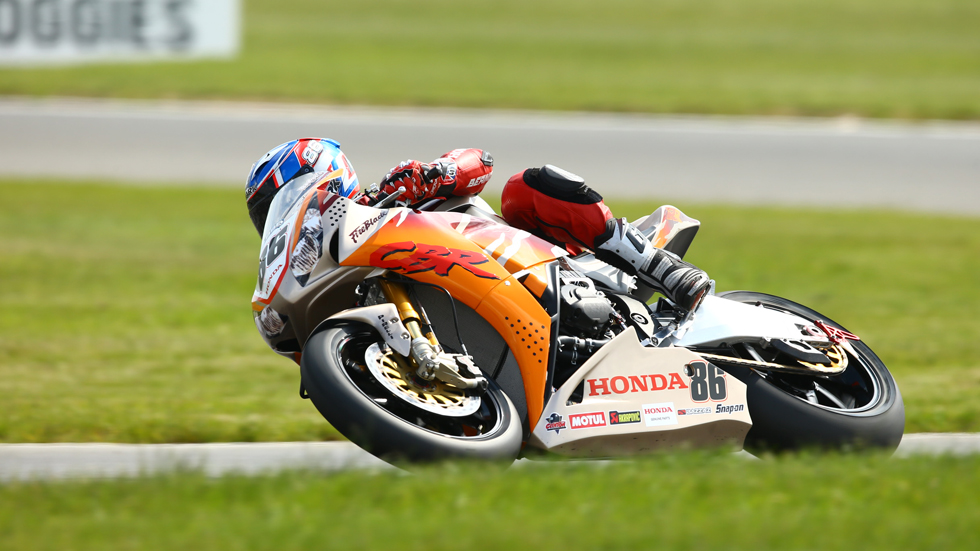
The Urban Tiger livery first found fame on the race track
The Honda CBR1000RR Fireblade SP Urban Tiger
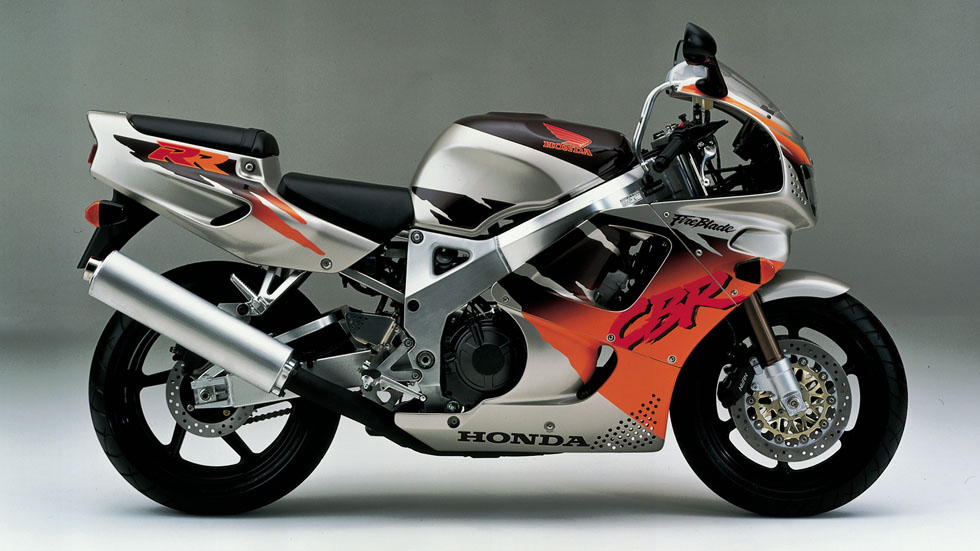
In 1994 the Fireblade was redesigned to include ‘fox eye’ headlights and a new colour scheme to reflect that motif was created. The Urban Tiger – a silver bike with black and orange livery – became an instant icon. To celebrate its 20th anniversary the Fireblade raced in the same colours in the British Superbike Championship earlier this year and now you can buy a roadgoing Urban Tiger, too.

Gerry Lopez’s Lightning Bolt – the look of 1970s Oahu surf scene
The Lightning Bolt surfboard
Honolulu born Gerry Lopez, or ‘Mr Pipeline’, was a surfing pioneer and recognised as the best ‘tuberider’ in the world in the early 1970s. Helped by revolutionary new surfboard designs the vast hollow waves off O’ahu’s North Shore became a new playground for those brave enough to take them on and Lopez was the best and the bravest. He won the Pipeline Masters competition in 1972 and 1973, with the contest renamed the Gerry Lopez Pipeline Masters. When Lopez started building and selling his own Lightning Bolt surfboards the simple design became the look that everyone wanted.

Clean, simple and elegant – the MP4/4 is an icon of F1
The McLaren Honda MP4/4
Between them, Ayrton Senna and Alain Prost won all but one of the 16 races in the 1988 F1 season in the MP4/4. The car was designed by Steve Nichols and Gordon Murray and remains the most dominant in F1 history. It was powered by a tiny 1.5-litre V6 turbocharged engine with around 650bhp. The mercurial Senna and highly intelligent Prost should have been the dream team but their relationship became more tense as the races went on and broke down completely in 1989. However, their relationship and the car’s dominance meant that the clean, simple and elegant white and orange/red MP4/4 is a defining icon of F1.
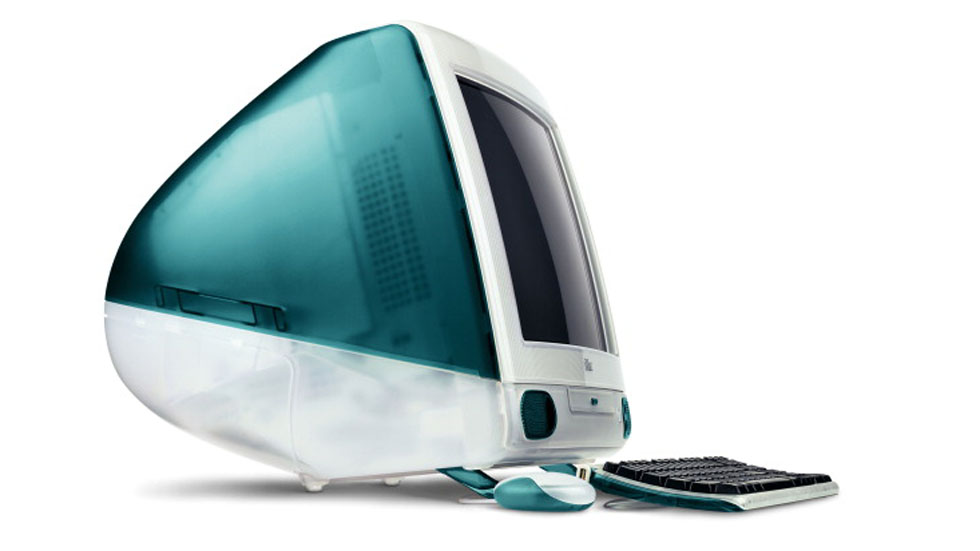
The ‘Bondi Blue’ iMac G3 by Sir Jonathan Ive – a pop-culture hit
The Apple iMac G3
Do you remember a time before Apple was everywhere? Before the iPod, before the iPad, before computers were cool, aspirational and just plain desirable? It wasn’t actually that long ago. The iMac G3 was introduced in 1998, made from ‘Bondi Blue’ coloured plastic and with a striking design by Sir Jonathan Ive. It was the first computer to exclusively use USB connectors, controversially ditching the floppy disk. Not that this really mattered. It looked cool, more colours were launched and Apple had themselves a pop-culture hit.

Andy Warhol’s untitled Marilyn Diptych 1967
Andy Warhol’s Marylin Diptych
In the four months after Marilyn Monroe’s death Andy Warhol made more than 20 silkscreen paintings of the American icon, all based on a publicity photograph shot by Gene Korman for the 1953 film Niagara. Repeating the same image over and over is said to evoke the media spotlight that shone so brightly and intrusively upon her, while the striking contrast between vibrant colour with stark black and white hinted at Monroe’s mortality. Warhol’s pop-art style is unmistakable but this is perhaps its most poignant and beautiful moment.