By Nargess Banks
Most of us are already getting greener in one way or another, whether it’s recycling more, driving cleaner, smaller engine cars, or simply being more mindful of our consumption. According to government figures, in the UK alone 40% of our energy consumption and carbon emissions come from the way our buildings are lit, heated and consumed – so perhaps it’s time our homes adopt a more ecological outlook too. Dream visits four very different ecohomes around the world.
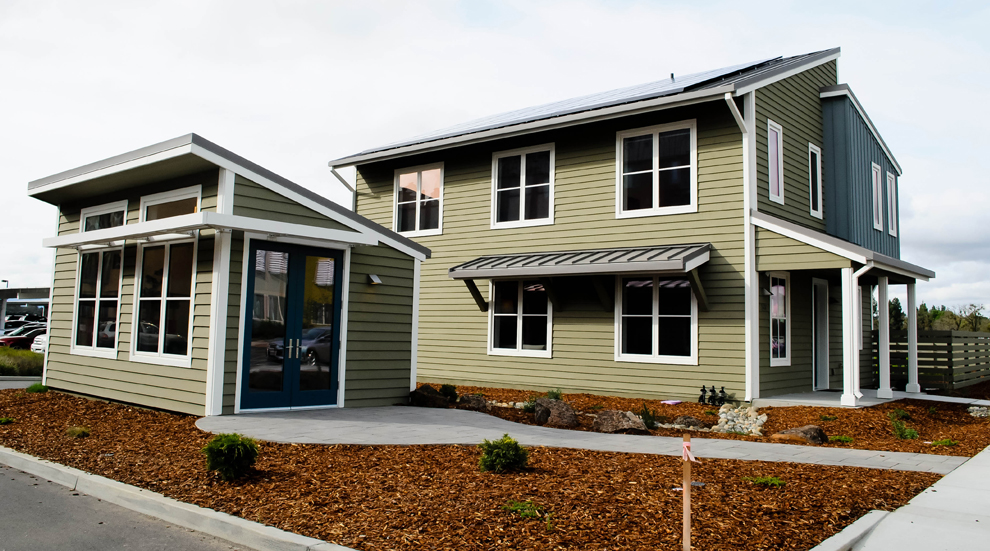
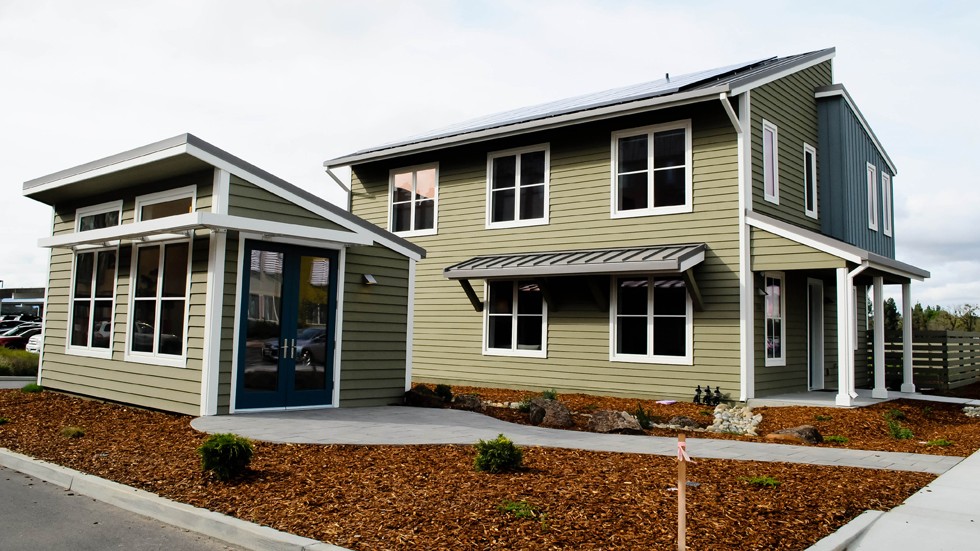
The Honda Smart Homes ‘living laboratory’ in University of California’s Davis West Village
Honda Smart Home
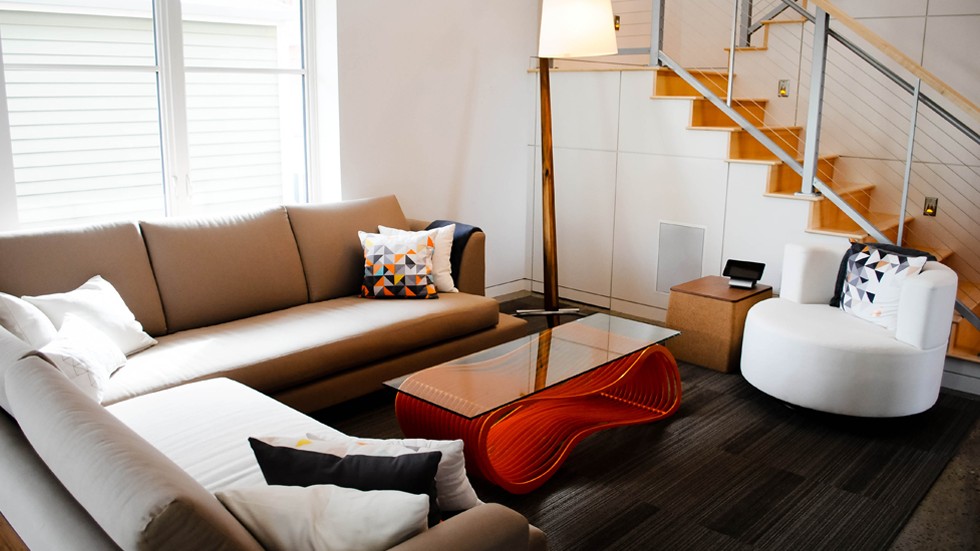
The Honda Smart Home is an attainable vision for zero carbon living and transport. The prototype residential building in California will act as a ‘living laboratory’ to explore the company’s latest technologies in real life and in real time.
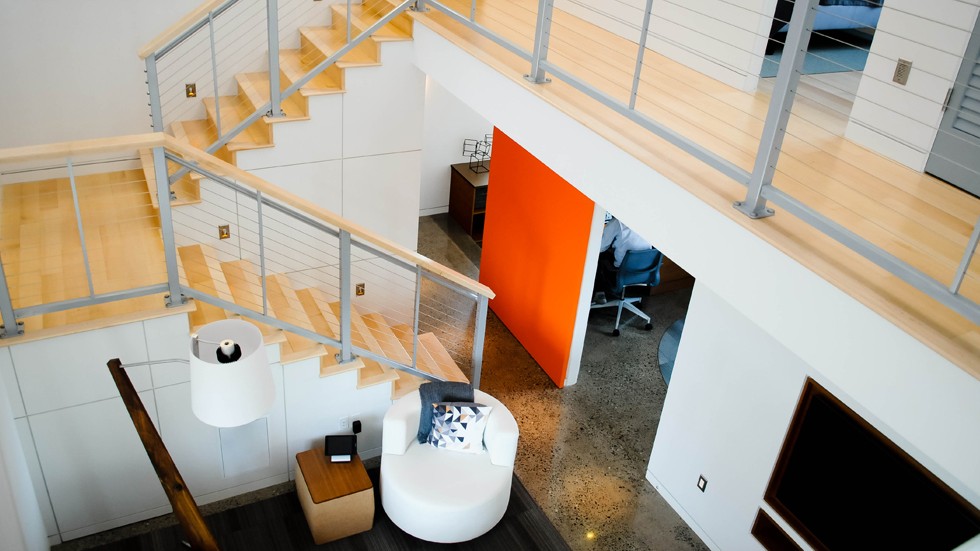
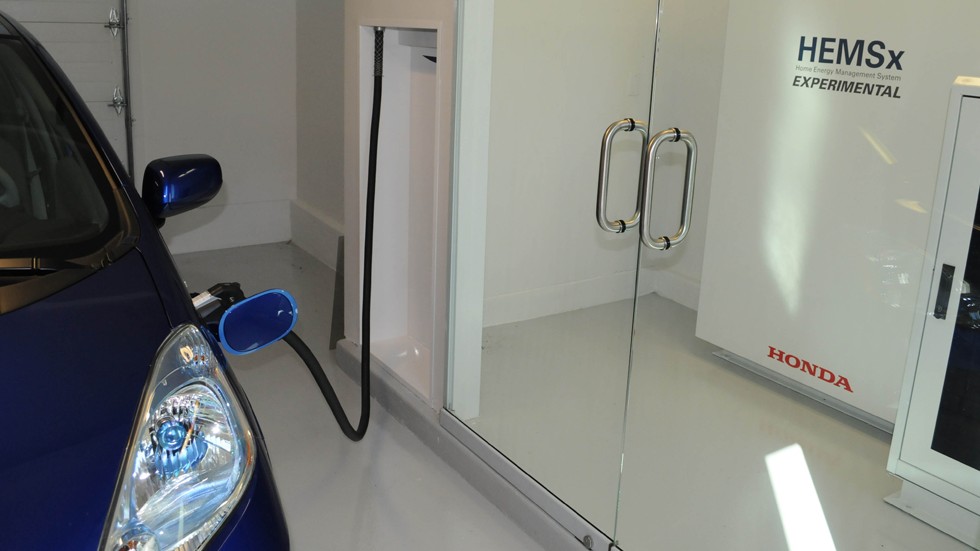
Construction began last year at the University of California’s Davis West Village, the largest clean energy housing development in the US. A member of the university staff will now occupy the fully furnished house, live a normal life there and drive a Honda Fit (known as The Jazz in the UK) electric car.
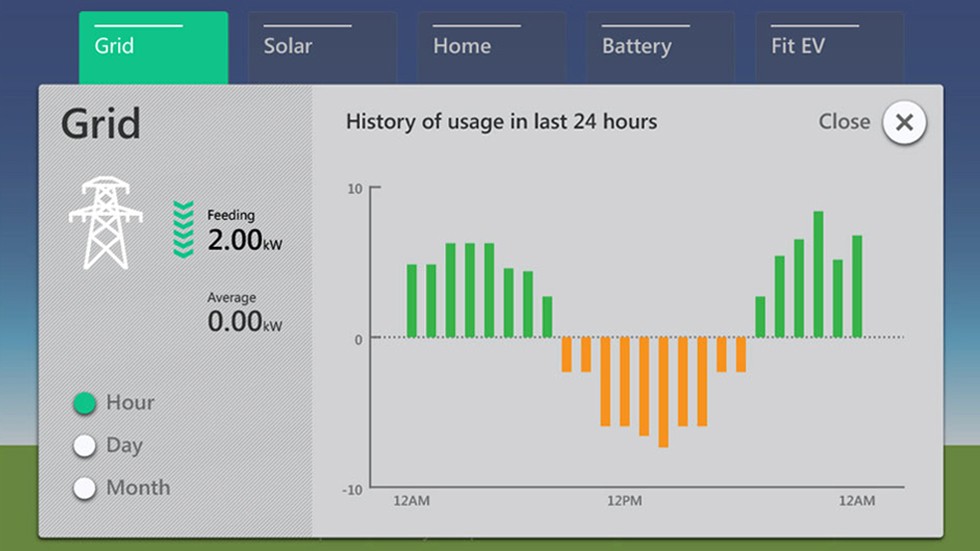
The building’s consumption will be recorded to reveal how significantly we can reduce our consumption through a more holistic approach. In fact, the Honda Smart Home is capable of producing more energy from on-site renewable sources than it consumes annually from the electric grid – providing enough additional energy to power the electric Fit for daily commutes.
The project has been green right from the start. Sustainable materials were used throughout the construction process, including metal (more recyclable than asphalt) for the roof and sustainably harvested wood from certified forests.
The house is lit with efficient LED lighting, while a 9.5kW solar photovoltaic system on the roof provides energy for heating, cooling, ventilation, lighting, hot water, appliances and the car. When the solar panels are generating electricity at full capacity, the Fit can fully recharge in just two hours.
At the heart of project is the Honda home energy management system, which maximises the building’s energy efficiency while communicating with the electric utility to improve grid stability. This, coupled with a design incorporating local weather conditions and sun direction, means the occupants will use less than half of the energy of a similarly sized new home in the same area. In an US state where every drop is crucial, the Honda Smart Home is also three times more water-efficient than a typical American home.
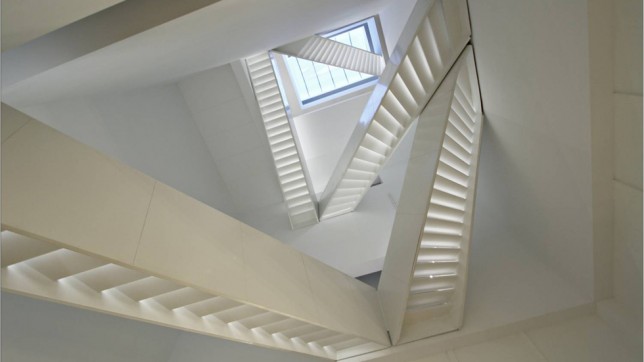
- Inside the innovative 8-House
8-House, Denmark
An innovative project that proposes a utopia for a more eco-conscious world. Designed by Danish architect Bjarke Ingels Group on the outskirts of Copenhagen, 8-House offers homes for the young and the old, singles and families. The idea is to create an urban community with the planet firmly in mind. In the scheme, 150 townhouses co-exist with businesses, and common areas and facilities merge with personal life. Bjarke Ingels calls it ‘hedonistic sustainability’ – viewing green living as an exciting and innovative lifestyle choice. To achieve this, the various building functions are spread horizontally so that the apartments sit on top while the commercial programme unfolds at the base of the building – creating something like the number ‘8’ and in the process creating lots of communal green spaces for residents to ride their bikes, meet, greet and socialise.
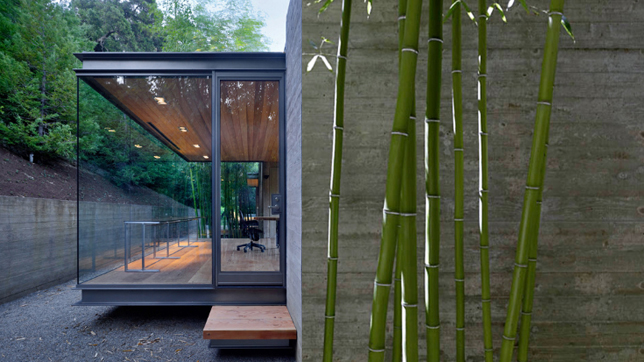
Swatt Miers’ Tea Houses in California
Tea Houses, California
Three delicate tree houses built amongst oak trees at the edge of a valley in Northern California, Tea House is the work of Swatt Miers Architects – a place to physically return to nature with no phones, TVs or music. Each transparent steel and glass pavilion, hovering like a lantern over the natural landscape, performs its own duties for gatherings, meditation and sleep. The design emphasises sustainability. Steel framed doors and awning windows provide access and ventilation, while sliding doors dissolve the barrier between inside and outside. Shading from strategic landscaping naturally cools whilst heating is provided by an under-floor system powered by solar panels on the roof.
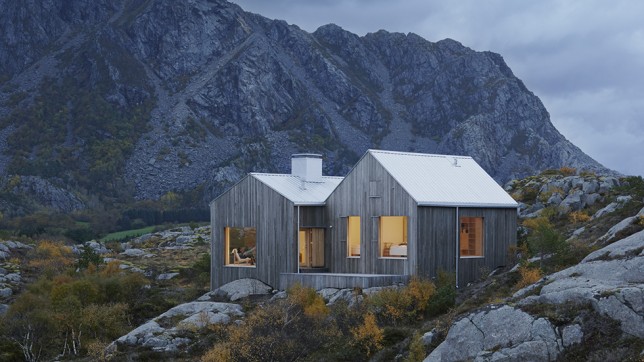
Vega Cottage follows the natural geography of the surrounding landscape
Vega Cottage, Norway
An enchanting hideaway on the remote island of Vega in the Norwegian Sea, Vega Cottage was created for a client who spent childhood summers there exploring the wild terrain. Designed by Stockholm-based practice Kolman Boye Architects, it’s a modern boathouse of sorts where sustainability is achieved by respecting and responding to the island’s extreme environment. The split interior, bathed in light from the panoramic windows, follows the natural geography of the surrounding landscape. The architects have used simple materials that are naturally suited to the airy, uncomplicated space and the whitewashed wood walls communicate the handmade feel of the house.